As global traffic conditions grow increasingly complex, the demand for enhanced driving safety technologies continues to rise. From densely populated urban roads to challenging industrial environments, drivers today face more visibility limitations than ever before. In this context, vehicle camera systems are rapidly transitioning from optional features to essential safety components across a wide range of vehicles.
Rising Safety Challenges on Modern Roads
The increase in vehicle ownership worldwide has significantly intensified road congestion, especially in urban areas. Limited visibility, blind spots, and tight parking environments contribute to a growing number of minor collisions and serious accidents each year. For commercial vehicles such as trucks, buses, and construction equipment, the risks are even higher due to larger blind zones and operational complexity.
Traditional mirrors alone are no longer sufficient to provide the level of awareness required in today’s driving environments. As a result, advanced vision systems are gaining widespread adoption.
Understanding Vehicle Camera Systems
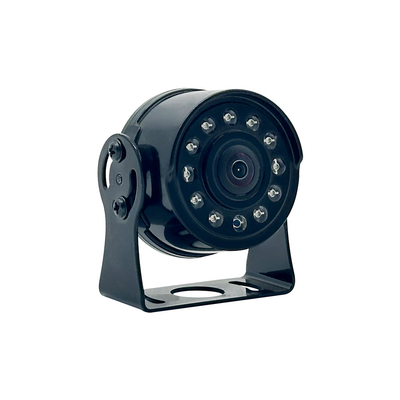
Vehicle camera systems are designed to provide real-time visual information around the vehicle, helping drivers make safer and more informed decisions. These systems typically include:
- Rear view cameras for reversing safety
- Front and side cameras for expanded visibility
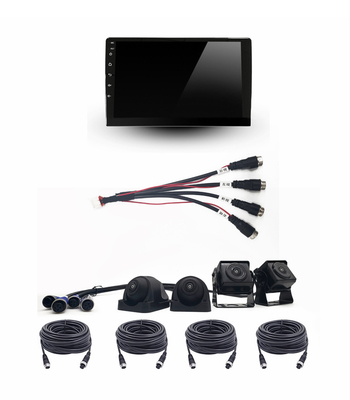
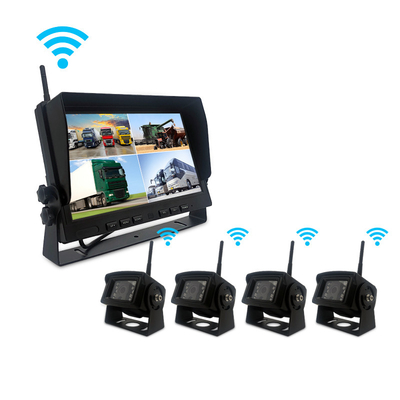
- Multi-channel camera systems for comprehensive monitoring
Modern camera technologies offer high-definition imaging, wide-angle coverage, and enhanced performance in low-light conditions. Features such as IP67/IP68 waterproof ratings and anti-interference design also ensure reliability in various weather and operating environments.
Complementing Sensors with Visual Intelligence
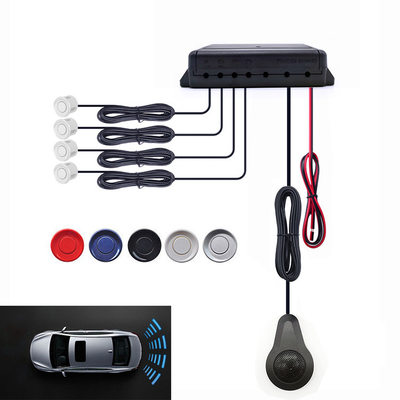
While parking sensors (ultrasonic radar systems) play an important role in detecting obstacles and measuring distance, they lack the ability to provide visual context. Camera systems fill this gap by allowing drivers to actually see their surroundings.
This combination of sensing and visualization significantly improves safety, especially in scenarios such as:
- Reversing in tight parking spaces
- Navigating crowded urban streets
- Operating large commercial or industrial vehicles
The Rise of 360 Surround View Systems
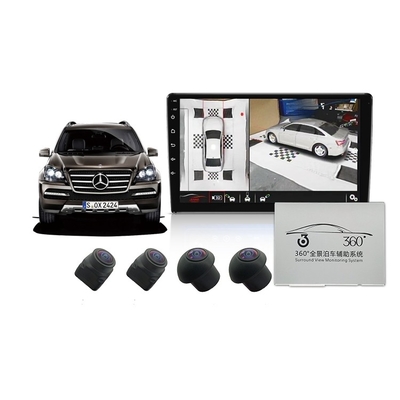
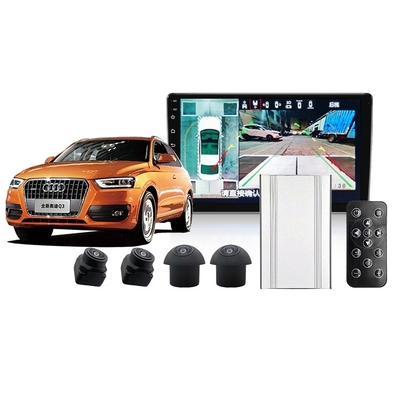
One of the most notable advancements in recent years is the development of 360-degree surround view systems. By integrating multiple cameras and stitching images together, these systems create a bird’s-eye view of the vehicle.
This technology is particularly valuable for:
- Parking in confined spaces
- Reducing blind spots
- Enhancing maneuverability for large vehicles
As processing power and image algorithms continue to improve, surround view systems are becoming more accurate, accessible, and widely adopted.
Expanding Applications Across Vehicle Types
Vehicle camera systems are no longer limited to passenger cars. Their applications now extend across multiple sectors:
- Passenger vehicles: improving daily driving and parking safety
- Commercial fleets: supporting fleet management and risk reduction
- Heavy-duty and industrial vehicles: enhancing operational safety and efficiency
In industries such as logistics, construction, and agriculture, camera systems are playing a critical role in minimizing accidents and improving productivity.
Future Trends in Vehicle Vision Technology
Looking ahead, vehicle camera systems are expected to evolve further with advancements in connectivity and artificial intelligence. Key trends include:
- Wireless camera solutions for easier installation
- Integration with AI-based features such as blind spot detection and driver monitoring
- Multi-channel systems with real-time recording and remote access
- Integration with ADAS (Advanced Driver Assistance Systems)
These innovations will continue to enhance situational awareness and reduce reliance on human judgment alone.
Conclusion
As driving environments become more demanding and safety expectations continue to rise, vehicle camera systems are no longer a luxury—they are becoming a necessity. By providing enhanced visibility, reducing blind spots, and supporting smarter decision-making, these systems are setting a new standard for modern driving safety.
In the years ahead, the widespread adoption of vehicle vision technologies will play a key role in shaping safer roads and more efficient transportation systems worldwide.


 Your message must be between 20-3,000 characters!