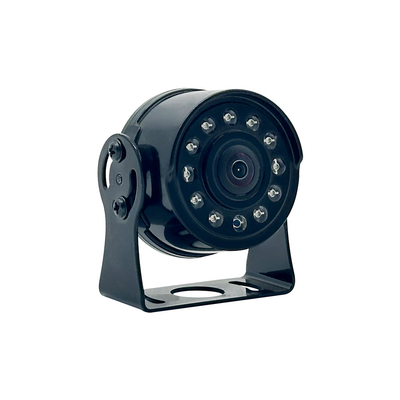
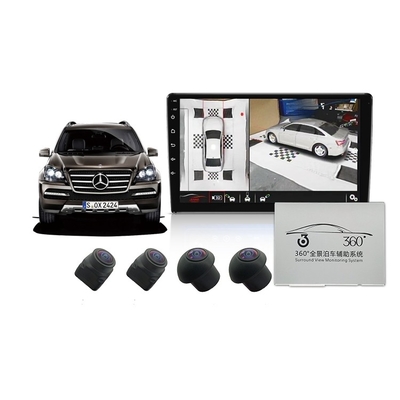
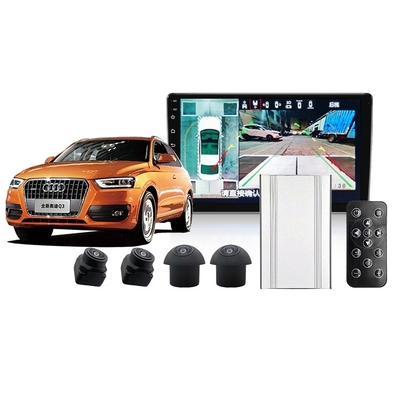
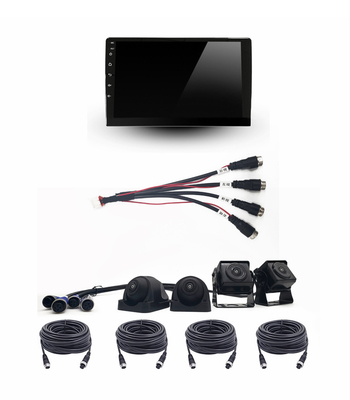
In the evolving landscape of automotive safety, visibility has become more than just a convenience—it’s a necessity. Modern drivers, whether operating passenger cars, commercial trucks, or industrial vehicles, face increasingly complex environments. Urban congestion, nighttime operations, adverse weather conditions, and vehicle blind spots all create challenges that conventional mirrors and single rear-view cameras cannot fully address. This is where 360° camera systems have emerged as indispensable tools, offering a complete view around the vehicle to improve safety, awareness, and operational efficiency.
However, not all 360° camera systems are created equal. Two critical features that determine system performance in real-world conditions are waterproofing and night vision capability. Understanding these factors is essential when selecting a system that is reliable, durable, and effective in all conditions.
Why Waterproofing Matters in 360° Camera Systems
Exposure to Harsh Environments
360° camera systems often involve multiple cameras mounted externally on the vehicle: front, rear, left, and right sides. These cameras are directly exposed to environmental elements such as:
- Rain, snow, and ice
- Road spray and mud
- High-pressure car washes
- Dust, sand, and other particulate matter
- Temperature fluctuations
Without proper waterproofing, cameras are susceptible to water ingress, corrosion, fogging, and even complete failure. A single compromised camera can render the entire 360° system unreliable, creating potential blind spots and increasing the risk of accidents.
Understanding IP Ratings
Ingress Protection (IP) ratings indicate the level of resistance a camera has against solids and liquids. Common IP ratings for vehicle cameras include:
- IP67: Fully dustproof and protected against temporary immersion in water. Suitable for most passenger cars and SUVs used primarily in urban and suburban conditions.
- IP68: Higher level of water resistance, designed for continuous immersion. Ideal for commercial vehicles, buses, trucks, and outdoor industrial equipment exposed to heavy rain or puddles.
- IP69K: High-pressure, high-temperature washdown protection. Best for heavy-duty trucks, construction machinery, mining vehicles, and agricultural equipment that operate in extreme environments.
Practical Considerations
When evaluating waterproof ratings, consider:
- The typical operating environment of the vehicle
- Seasonal variations and regional climate
- Frequency of vehicle washing or exposure to liquids
Selecting a system with a suitable IP rating ensures long-term reliability, reduces maintenance costs, and enhances safety for drivers and passengers alike.
The Importance of Night Vision in 360° Systems
While daytime visibility is critical, a significant number of accidents occur in low-light conditions. Nighttime operations, tunnels, underground garages, foggy conditions, and adverse weather all reduce visibility and increase risk. High-quality night vision is essential for 360° camera systems to function effectively around the clock.
Night Vision Technologies
- Infrared (IR) Night Vision
- Uses infrared light to illuminate areas in darkness.
- Allows black-and-white imaging in total darkness.
- Advantages: Cost-effective and reliable for general nighttime visibility.
- Limitations: Color information is not available; performance can vary with distance.
- Starlight Night Vision
- Utilizes highly sensitive CMOS sensors to capture visible light even in extremely low-light conditions.
- Provides near-color imaging in dim environments.
- Advantages: Superior image clarity, better recognition of pedestrians, obstacles, and vehicles.
- Ideal for high-end 360° systems and vehicles operating in low-light conditions frequently.
- HDR (High Dynamic Range) Technology
- Balances bright and dark areas in the same image to maintain detail.
- Critical for scenarios like exiting tunnels or facing oncoming headlights at night.
Key Factors Affecting Night Vision Performance
- Image Sensor Quality: High-grade CMOS sensors reduce noise, improve sensitivity, and produce sharper images.
- Lens Quality: Ensures maximum light transmission and minimal distortion.
- Image Processing Chipset: AI-powered processors enhance clarity, reduce artifacts, and support low-light image enhancement.
- Resolution: Higher resolution (720P, 1080P, or higher) maintains clarity in night conditions, aiding driver reaction.
Balancing Waterproofing and Night Vision for Different Vehicle Types
Passenger Cars and SUVs
- Recommended: IP67–IP68 waterproof rating
- Night Vision: Starlight or HDR technology
- Focus: Parking assistance, urban driving, low-light visibility
Commercial Trucks and Buses
- Recommended: IP68
- Night Vision: Starlight + IR hybrid for extended operational hours
- Focus: Blind spot monitoring, reversing safety, fleet management
Industrial Vehicles and Forklifts
- Recommended: IP69K for harsh outdoor or indoor conditions
- Night Vision: IR night vision or AI-enhanced imaging
- Focus: Operational safety in warehouses or construction sites, pedestrian detection
Agricultural and Special Equipment
- Recommended: IP68–IP69K
- Night Vision: Enhanced low-light imaging
- Focus: Field operations in variable lighting conditions, obstacle recognition
Additional Considerations When Choosing a 360° Camera System
- Durability of Housing Material: Aluminum or high-quality polymer housings withstand harsh conditions better than standard plastics.
- Maintenance and Cleaning: Look for cameras that are easy to clean without dismantling.
- Integration with Vehicle Systems: Cameras should work seamlessly with parking sensors, dash cams, and fleet monitoring systems.
- AI Capabilities: Some modern systems incorporate AI for pedestrian detection, obstacle recognition, and blind spot alerts, enhancing safety during night operations.
- Connectivity: WiFi or 4G capabilities enable remote monitoring and diagnostics, adding value for commercial and fleet operators.
Industry Trends Driving Adoption
- Higher Waterproof Ratings: IP69K cameras are increasingly standard for heavy-duty vehicles.
- Advanced Night Vision: Starlight sensors and HDR imaging are becoming widespread to support 24/7 operations.
- AI Integration: AI-powered detection reduces driver error and improves operational efficiency.
- 4K and High-Definition Imaging: Higher resolution cameras are replacing traditional 720P or CVBS cameras, offering clearer visuals day and night.
- Integration with ADAS: 360° systems are merging with Advanced Driver Assistance Systems for automated parking, collision warning, and fleet management.
Conclusion
Selecting a 360° camera system involves more than choosing the right resolution or brand. Waterproofing and night vision capabilities are critical determinants of real-world performance. A system that performs reliably in rain, mud, snow, and low-light conditions ensures that drivers can maintain awareness and respond quickly to obstacles.
For passenger vehicles, commercial fleets, industrial machines, and specialized vehicles, investing in a high-quality 360° system with appropriate IP ratings and advanced night vision technology improves safety, operational efficiency, and long-term system reliability.
When choosing a 360° surround view camera system, consider not only how it looks on paper, but also how it performs in rain, snow, and darkness. A system with the right waterproofing and night vision features is not just a convenience—it’s a critical investment in safety and efficiency.


 Your message must be between 20-3,000 characters!