As vehicle technology continues to evolve, parking and low-speed maneuvering are no longer considered simple driving tasks. In fact, a significant percentage of daily vehicle incidents occur during reversing, parking, or navigating tight environments. To address these challenges, advanced parking and monitoring technologies—particularly parking sensors and vehicle camera systems—are playing an increasingly critical role in modern vehicle safety.
Why Parking Safety Is Becoming a Key Focus
Unlike high-speed driving scenarios, parking-related incidents often result from limited visibility and driver misjudgment rather than reaction time. Obstacles such as low walls, pedestrians, or unseen objects can easily go undetected, especially in crowded urban environments.
For larger vehicles such as trucks, vans, and buses, the issue is even more pronounced due to extended blind spots and restricted rear visibility. As a result, improving awareness during low-speed operations has become a priority for both individual drivers and fleet operators.
Parking Sensors Understanding Distance with Precision
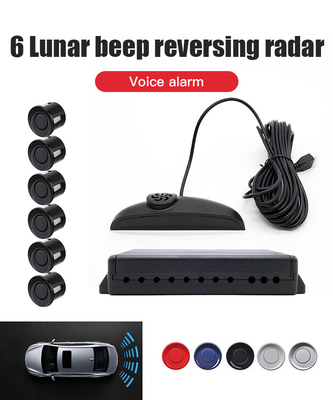
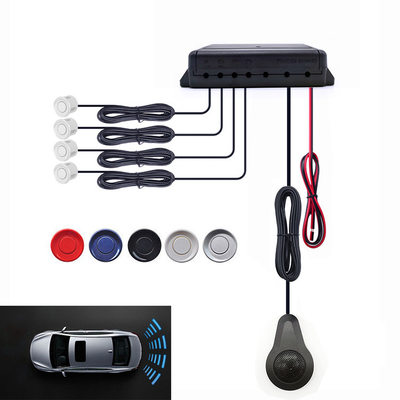
Parking sensors, commonly based on ultrasonic technology, are designed to detect obstacles and measure the distance between the vehicle and surrounding objects. These systems typically provide:
- Real-time distance feedback
- Audible alerts that increase in frequency as objects get closer
- Detection ranges generally between 0.3 to 2.5 meters
Their strength lies in accuracy and simplicity. Sensors perform reliably in various lighting conditions and are particularly effective in alerting drivers to objects that may not be immediately visible.
However, while sensors can “detect,” they cannot “show.” This limitation means drivers must still interpret the situation without visual confirmation.
Vehicle Camera Systems Bringing Visual Awareness
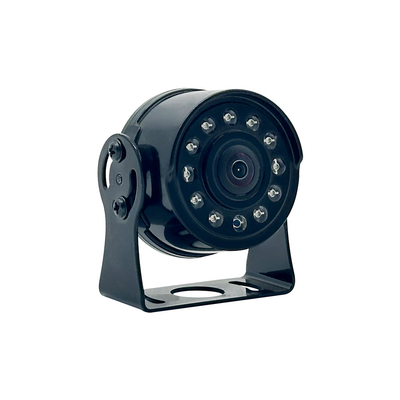
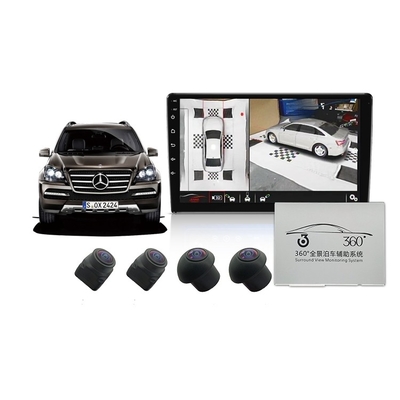
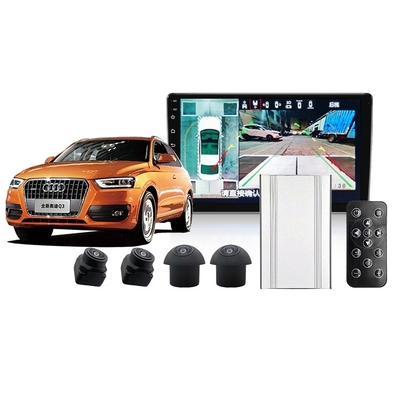
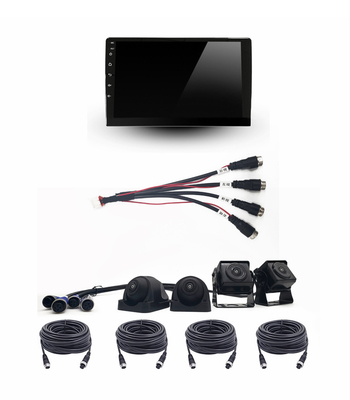
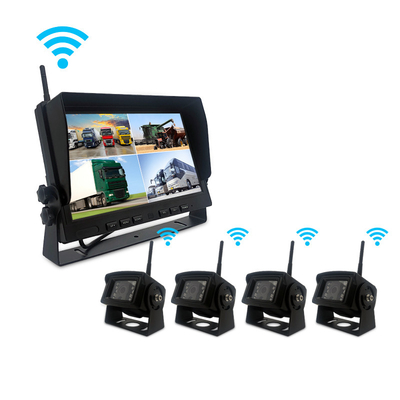
Vehicle camera systems complement sensors by providing real-time video feeds of the vehicle’s surroundings. Whether it is a rear view camera for reversing or a multi-channel system covering all sides, cameras offer a clear visual perspective.
Key advantages include:
- Real-time image display
- Wide-angle coverage for broader visibility
- Enhanced night vision performance
- Ability to identify object type and movement
This visual capability significantly reduces uncertainty and allows for more confident decision-making, especially in complex environments.
Sensor and Camera Integration A More Complete Safety Solution
Rather than competing technologies, parking sensors and camera systems are increasingly being integrated into unified safety solutions. This combination offers both:
- Distance awareness (from sensors)
- Visual confirmation (from cameras)
Together, they provide a more complete understanding of the vehicle’s surroundings, minimizing blind spots and reducing the risk of collisions.
This integrated approach is now widely adopted in both passenger vehicles and commercial fleets.
From Basic Assistance to Intelligent Systems
Modern parking and monitoring technologies are no longer limited to basic alerts or video feeds. With the integration of advanced processing and AI capabilities, these systems are evolving into intelligent safety platforms.
Emerging features include:
- Dynamic parking guidelines
- Blind spot detection systems
- Automatic obstacle recognition
- Driver assistance alerts
These advancements are helping shift vehicle safety from passive assistance to proactive prevention.
Expanding Use in Commercial and Industrial Vehicles
In commercial applications, the benefits of advanced monitoring systems go beyond safety. Fleet operators are increasingly adopting these technologies to:
- Reduce accident-related costs
- Improve driver performance
- Enhance operational efficiency
- Support insurance and compliance requirements
For heavy-duty vehicles and machinery, where visibility is often limited, these systems are becoming indispensable tools.
Conclusion
As parking environments become more challenging and safety expectations continue to rise, advanced parking and monitoring technologies are transforming the way vehicles operate at low speeds. By combining the precision of sensors with the clarity of camera systems, modern vehicles are better equipped to navigate complex environments safely and efficiently.
Looking ahead, continued innovation in this field will further enhance driver awareness, reduce accident rates, and redefine the standards of vehicle safety worldwide.


 Your message must be between 20-3,000 characters!