360° Car Cameras: The Science Behind Safer Driving
As urban traffic becomes denser and vehicle designs more complex, the challenges of safe driving are increasing. Blind spots, tight parking spaces, and the growing presence of pedestrians, cyclists, and small electric vehicles are major contributors to accidents and minor collisions worldwide. Traditional visibility solutions—such as rearview mirrors or single rear cameras—are no longer sufficient for ensuring comprehensive driver awareness.
This is where 360° car cameras, also known as surround view systems, play a crucial role. These systems provide drivers with a complete, real-time view of the vehicle’s surroundings, eliminating blind spots and significantly enhancing safety and confidence on the road.
Understanding 360° Car Camera Systems
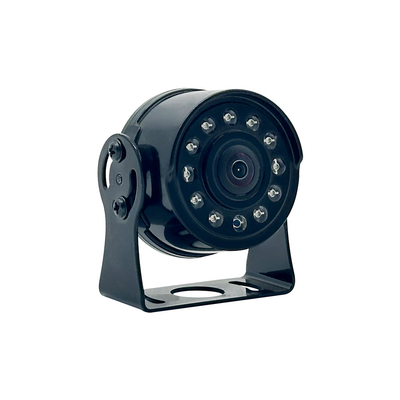
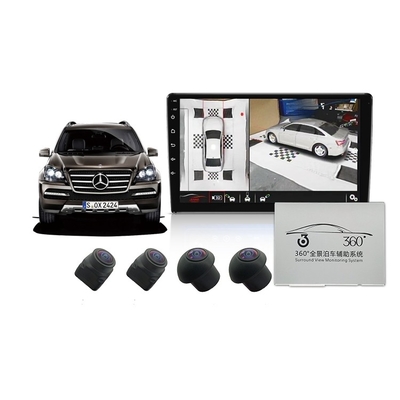
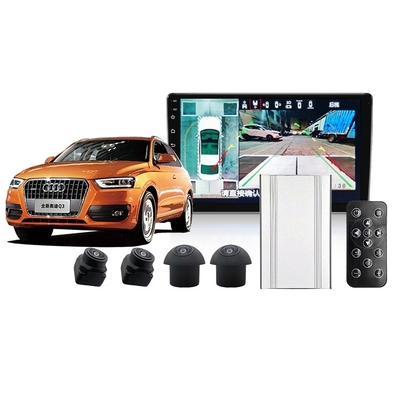
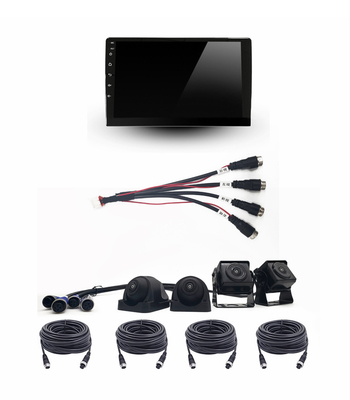
A 360° car camera system uses multiple cameras positioned around a vehicle to capture a complete view of its surroundings. The key components include:
- Front Camera: Captures the area directly ahead of the vehicle.
- Rear Camera: Mounted near the rear bumper or tailgate to assist in reversing and detecting rear obstacles.
- Side Cameras: Installed under side mirrors to monitor lateral blind spots.
Images from these cameras are processed by a central control unit using advanced stitching algorithms, generating a bird’s-eye view of the vehicle. This perspective allows drivers to see the surroundings from an overhead angle, making it easier to navigate tight spaces, monitor nearby objects, and avoid collisions.
How 360° Cameras Improve Driving Safety
1. Eliminating Blind Spots
The most significant safety benefit of 360° camera systems is the elimination of blind spots. Drivers gain visibility of areas that traditional mirrors cannot cover, such as:
- Pedestrians or cyclists near the vehicle
- Objects at the sides or low to the ground
- Vehicles approaching from lateral angles during lane changes
This comprehensive awareness allows drivers to react proactively, reducing the risk of accidents in urban streets and crowded environments.
2. Parking and Low-Speed Maneuvering Assistance
Parking remains one of the most common scenarios for minor collisions. 360° camera systems provide:
- Accurate distance estimation to nearby obstacles
- Real-time dynamic guidelines showing the vehicle’s projected path
- Assistance for parallel parking and tight-space maneuvering
These features significantly reduce the likelihood of parking-related accidents, scratches, and dents, even in challenging urban conditions.
3. Enhancing Safety in Commercial Vehicles
For trucks, buses, and vans, blind spots are larger and more dangerous. 360° camera systems help operators:
- Monitor the entire perimeter of the vehicle
- Perform safer turns and lane changes
- Reduce risks to pedestrians and smaller vehicles
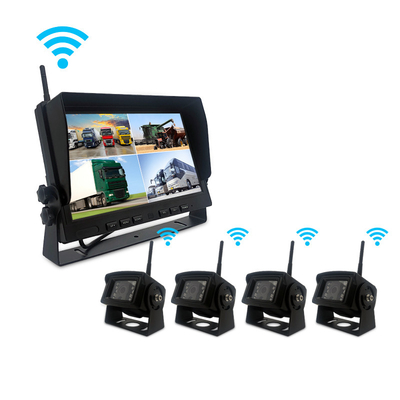
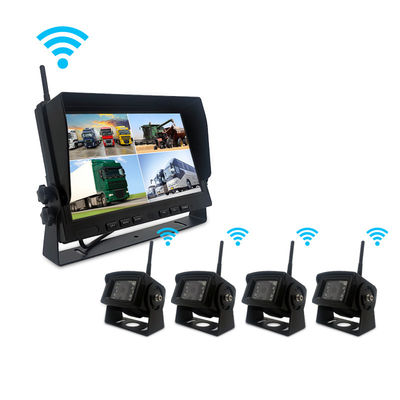
Fleet operators benefit from fewer accidents, lower repair costs, and enhanced driver accountability. Multi-channel systems (4CH, 6CH, or 8CH) provide full-vehicle coverage, essential for logistics, construction, and public transport operations.
Technical Features of Modern 360° Camera Systems
High-Definition Imaging
Modern systems support HD and 1080P resolutions, delivering crisp, detailed images that allow drivers to detect even small obstacles.
Wide-Angle Lenses
Ultra-wide lenses (up to 170°) maximize coverage and minimize blind areas, improving the quality of stitched images.
Night Vision and Low-Light Performance
Advanced infrared (IR) and low-light sensors enable clear visibility during night driving or in poorly lit areas, enhancing overall safety.
Weatherproof Design
IP67/IP68-rated cameras ensure reliability in rain, dust, or extreme temperatures, maintaining performance under harsh conditions.
Low-Latency Processing
High-speed image processing ensures near real-time updates, allowing drivers to respond quickly to unexpected hazards.
Integration with Intelligent Systems
Modern 360° camera systems often integrate with AI and ADAS (Advanced Driver Assistance Systems), making them more than just visual aids.
Artificial Intelligence Capabilities
AI-enhanced systems can:
- Detect and track pedestrians, cyclists, and other vehicles
- Alert drivers to potential collisions
- Automatically switch camera views based on driving conditions
This proactive approach transforms the system from a passive observer to an active safety assistant.
ADAS Integration
360° cameras complement ADAS features such as:
- Lane departure warning
- Automatic parking assistance
- Collision avoidance systems
Integration with these systems allows vehicles to combine visual awareness with automated safety responses.
Connectivity and Remote Monitoring
With 4G/5G or WiFi connectivity:
- Video data can be transmitted for remote fleet monitoring
- Vehicle safety metrics can be analyzed to optimize operations
- Over-the-air updates improve system functionality over time
This connectivity is particularly valuable for commercial fleets and logistics operations, where real-time monitoring and data-driven safety improvements are essential.
Applications Across Vehicle Types
Passenger Cars
360° systems are increasingly standard in passenger vehicles, offering:
- Enhanced urban driving safety
- Easier parking and maneuvering in tight spaces
- Reduced driver stress and improved confidence
Commercial Fleets
For trucks, buses, and vans, 360° systems:
- Reduce blind spot-related accidents
- Lower operational and insurance costs
- Provide full-vehicle monitoring for fleet management
Specialty Vehicles
In sectors like construction, agriculture, and warehousing:
- Operators navigate complex or hazardous environments
- Systems enhance operational precision and reduce risk
- Safety and efficiency improvements are critical for productivity
Industry Trends and Future Outlook
Several trends indicate the ongoing growth of 360° camera systems:
- Standardization of multi-camera configurations across vehicle segments
- Increasing AI and automation integration
- Wireless and modular systems for easier installation
- Expansion in both OEM and aftermarket markets
- Synergy with autonomous vehicle technologies
As costs decline and technology matures, adoption is expected to accelerate across passenger vehicles, commercial fleets, and specialty vehicles.
Why 360° Camera Systems Are Becoming Essential
The importance of 360° cameras stems from multiple factors:
- Safety: Reduces accidents caused by blind spots
- Efficiency: Simplifies parking and low-speed maneuvering
- Cost Savings: Fewer accidents reduce repair and insurance costs
- Regulatory Compliance: Safety regulations increasingly encourage or require advanced vision systems
- Enhanced User Experience: Drivers gain confidence and convenience
Conclusion: The Science of Safer Driving
360° car cameras are no longer optional luxury features—they are a cornerstone of modern vehicle safety. By combining advanced imaging, AI intelligence, and connectivity, these systems provide complete situational awareness, reducing accidents and enhancing driver confidence.


 Your message must be between 20-3,000 characters!